What I did at each stage, whom I told, what they answered, and what it cost.
The American documents carry the name on my birth certificate, Ethan. Mordechai is my Hebrew name.
Origins
Boston
Where the instinct comes from: a great-uncle who wrote the account while the camp still stood.
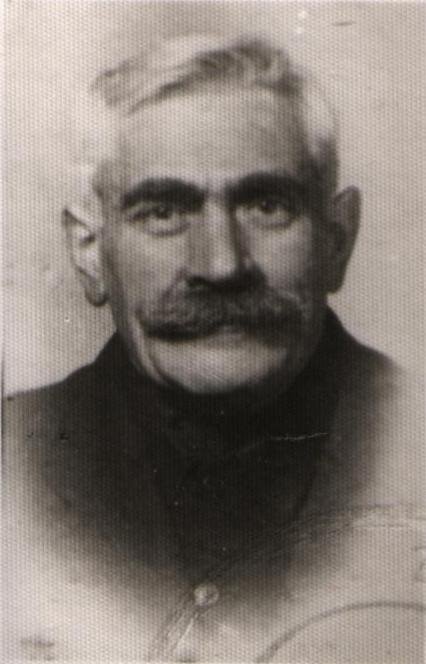
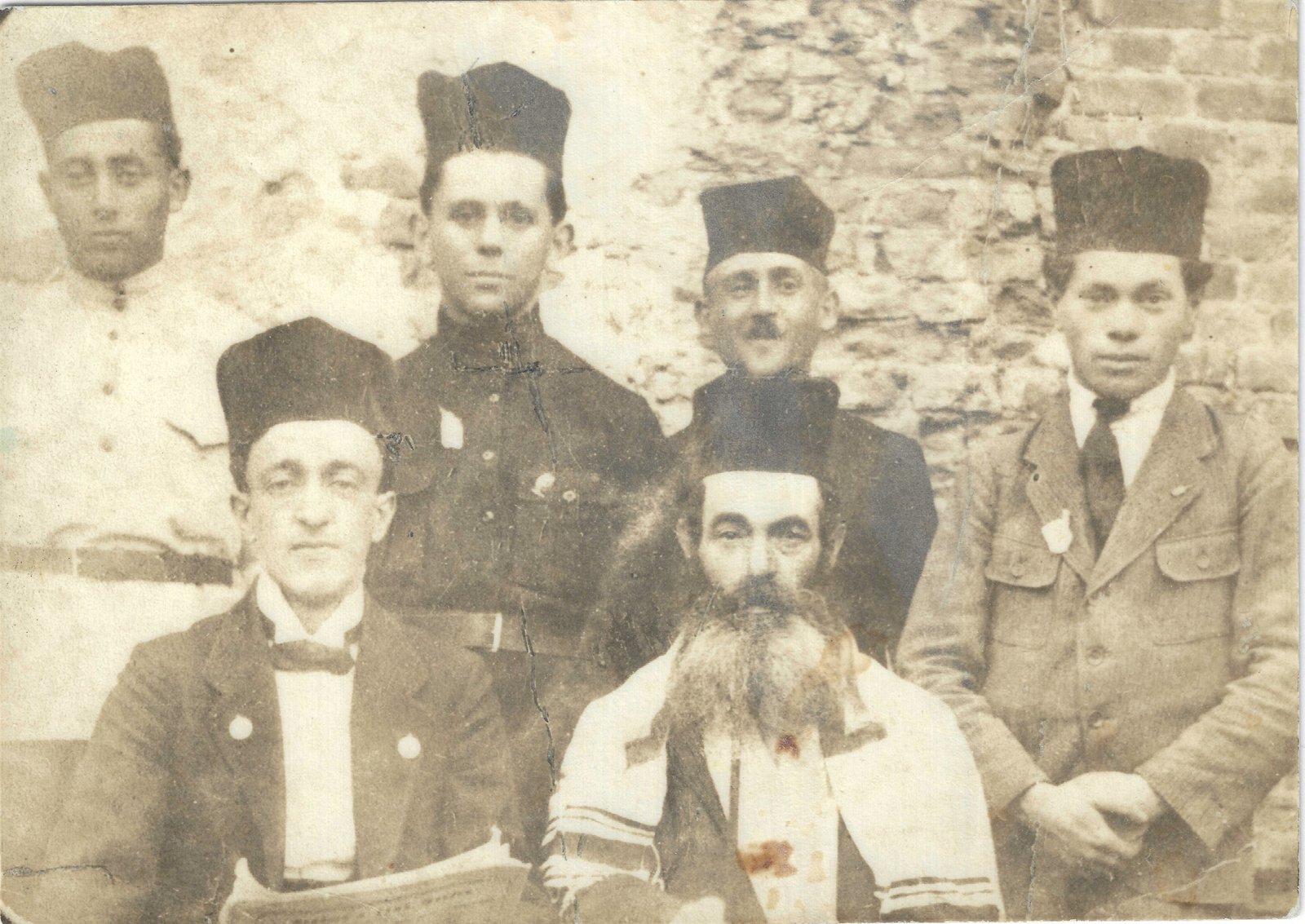
I was born in Boston, at least seventh-generation American on my father's side. On my mother's side, her great-uncle Jankiel Wiernik escaped Treblinka in the uprising of August 2, 1943, wrote the clandestine account A Year in Treblinka, and testified at the Eichmann trial in Jerusalem in 1961. The model of the camp he built in the 1950s stands in the Ghetto Fighters' House.
Jankiel Wiernik.Rabbi Forman (front, right), my mother's great-great-great-grandfather, with members of his community in Russia.
August 1985 – May 1986
The Senate
The inside of a Senate office at fifteen, and the first lessons in how official paper is produced.
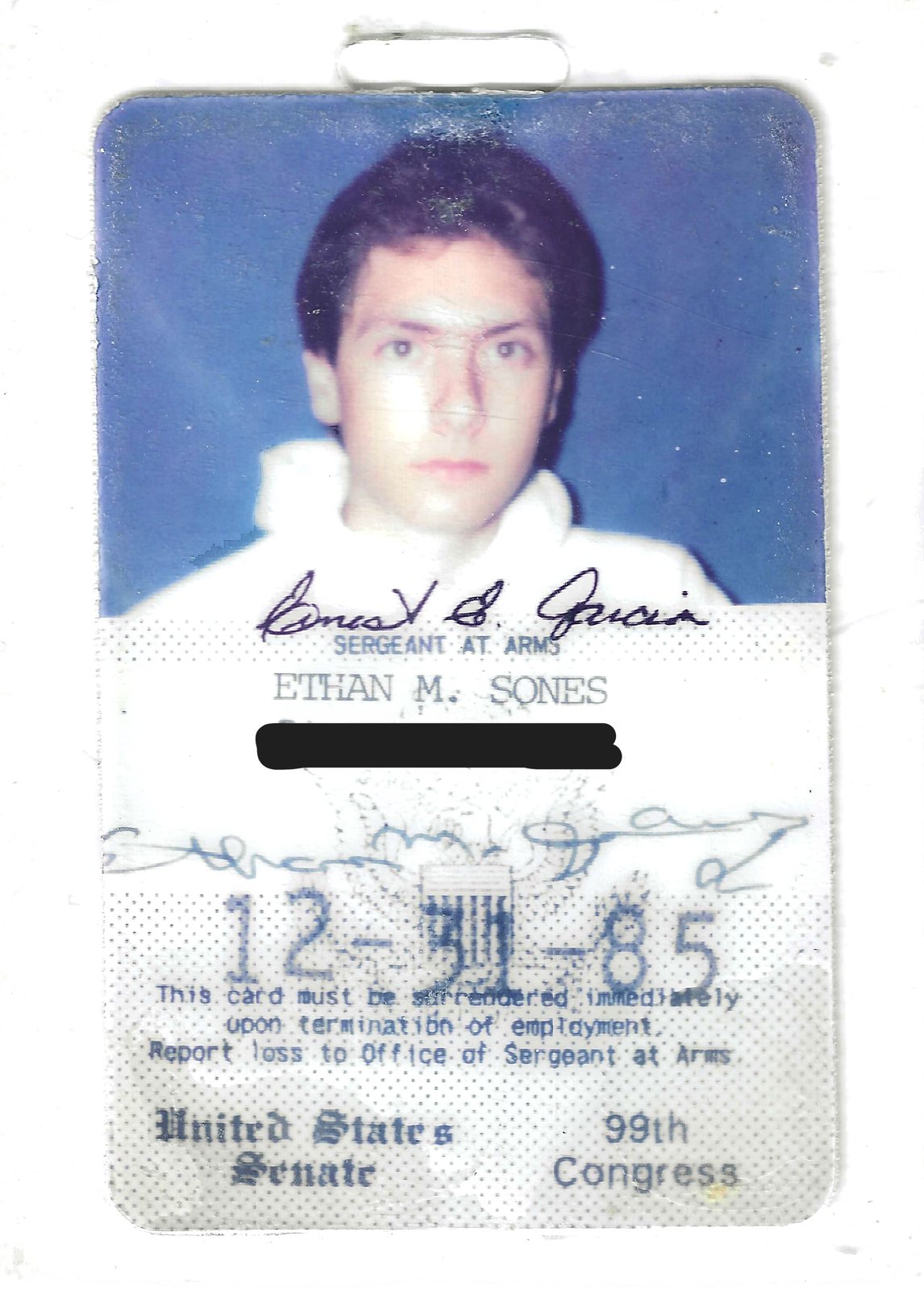
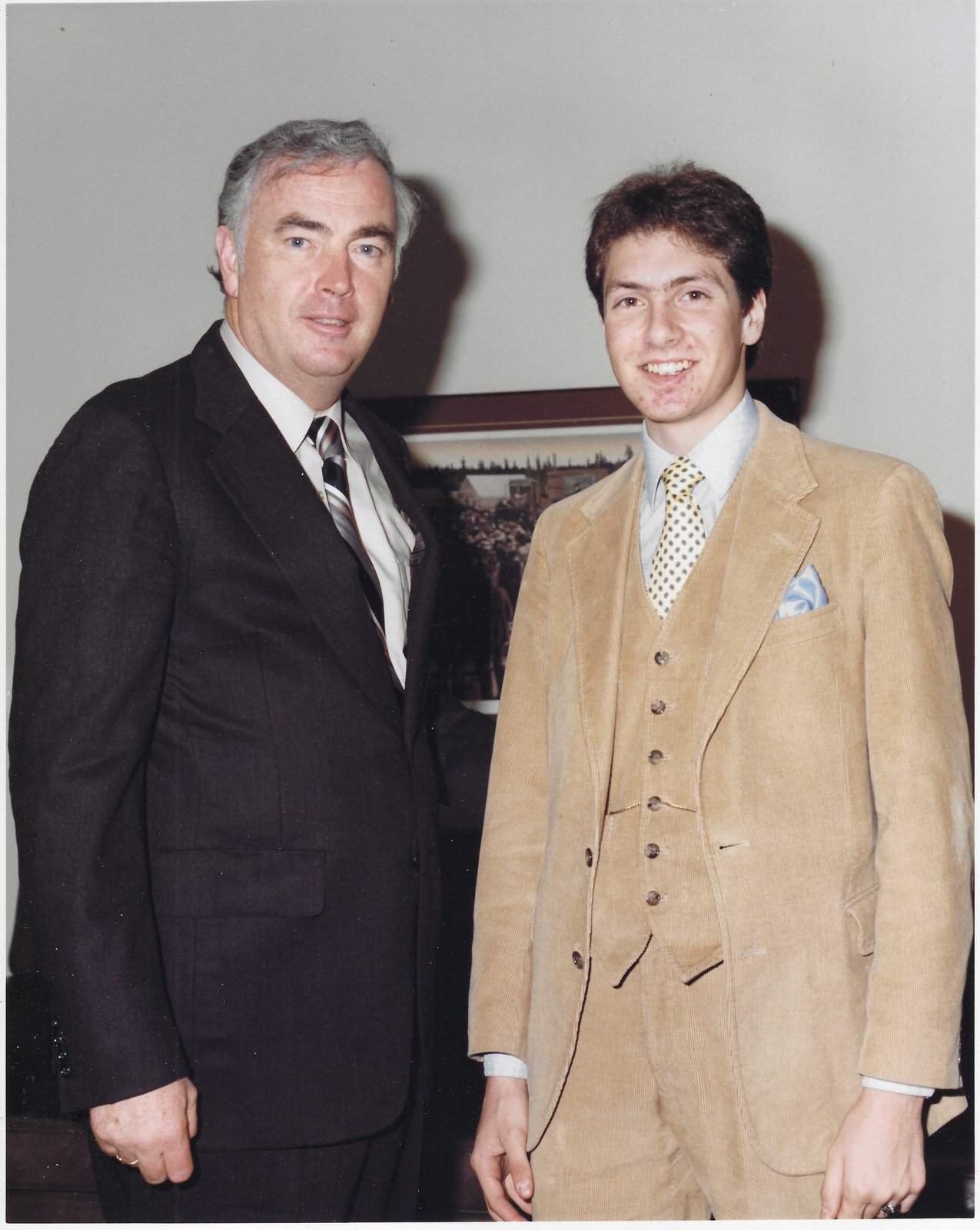
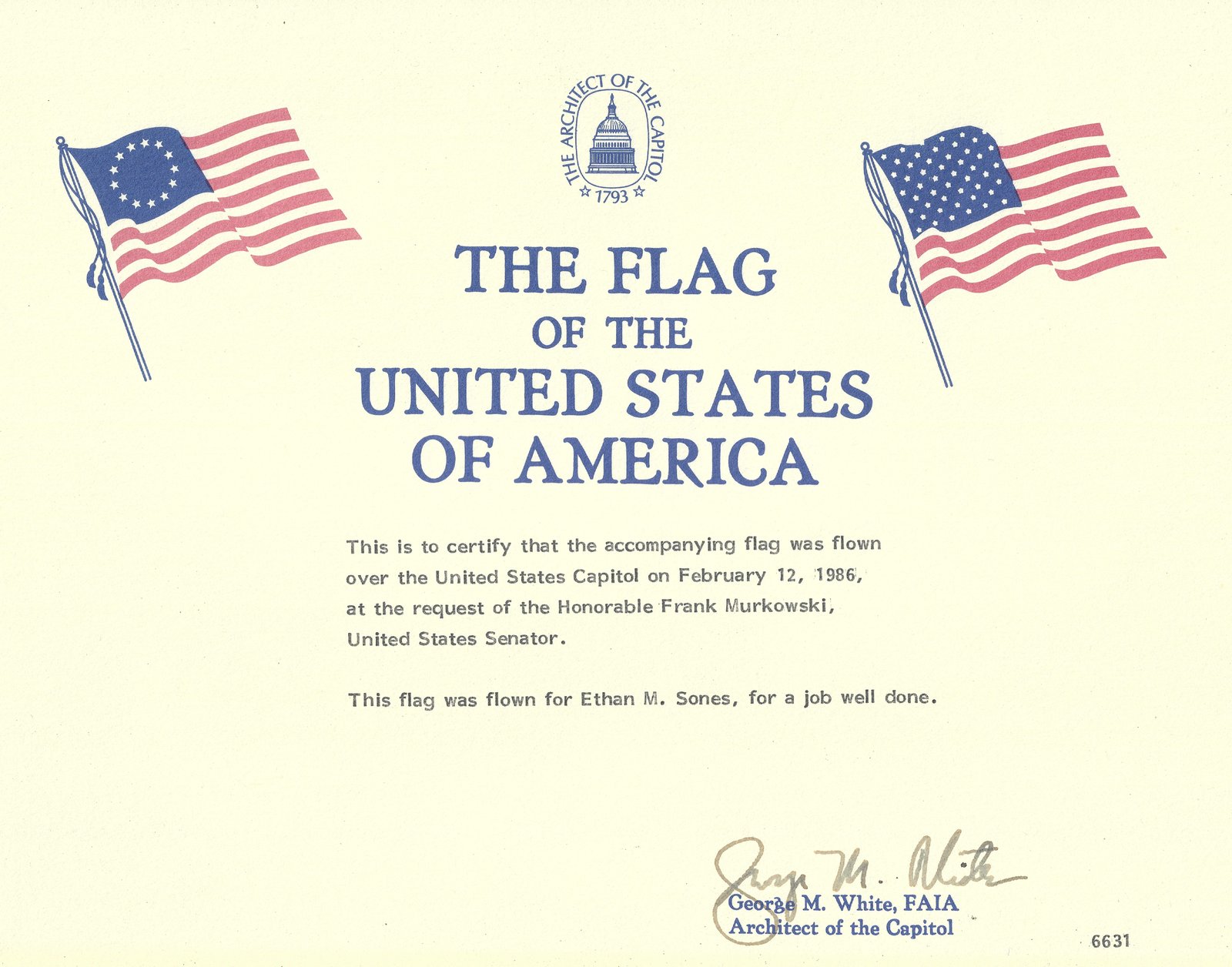
In August 1985, at fifteen, I left high school for a staff position in the office of Senator Frank Murkowski of Alaska. The work was research for the legislative assistants on foreign security assistance; when the legislative assistant could not attend the Senate Intelligence Committee's briefings, I went in his place. The flag flown over the Capitol on February 12, 1986 was flown, the certificate says, "for a job well done."
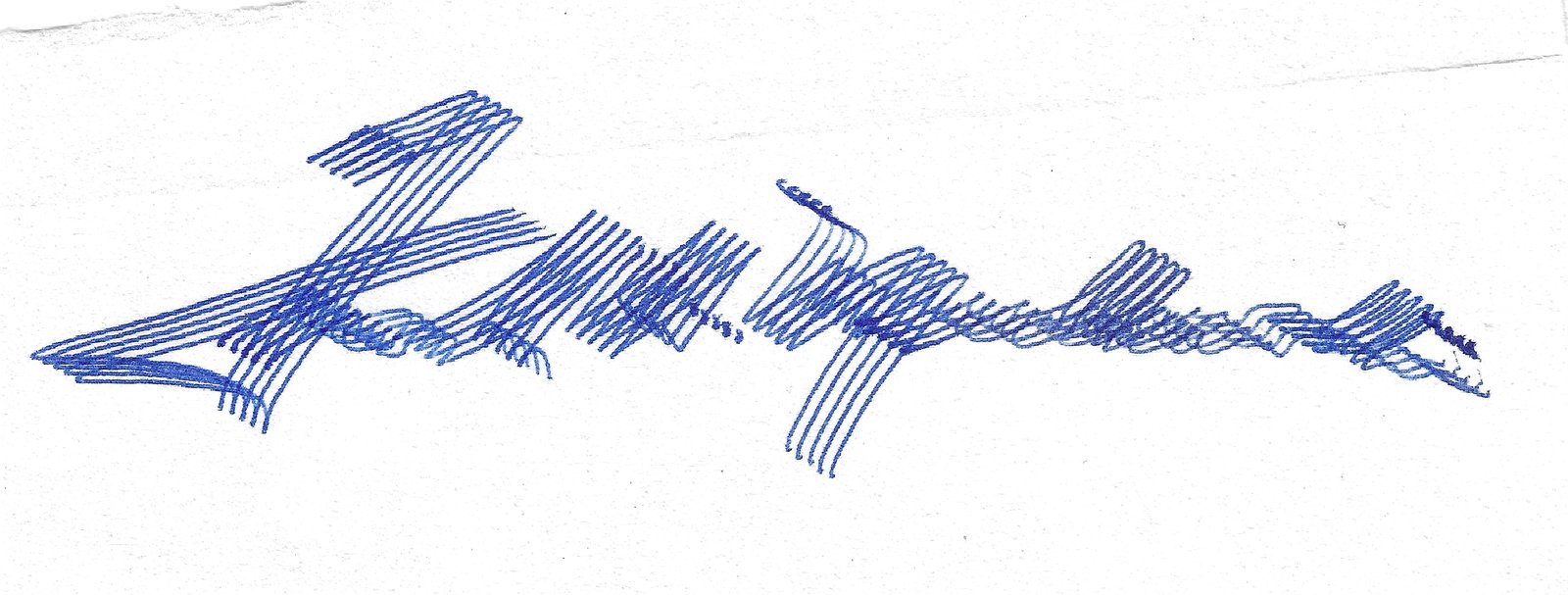
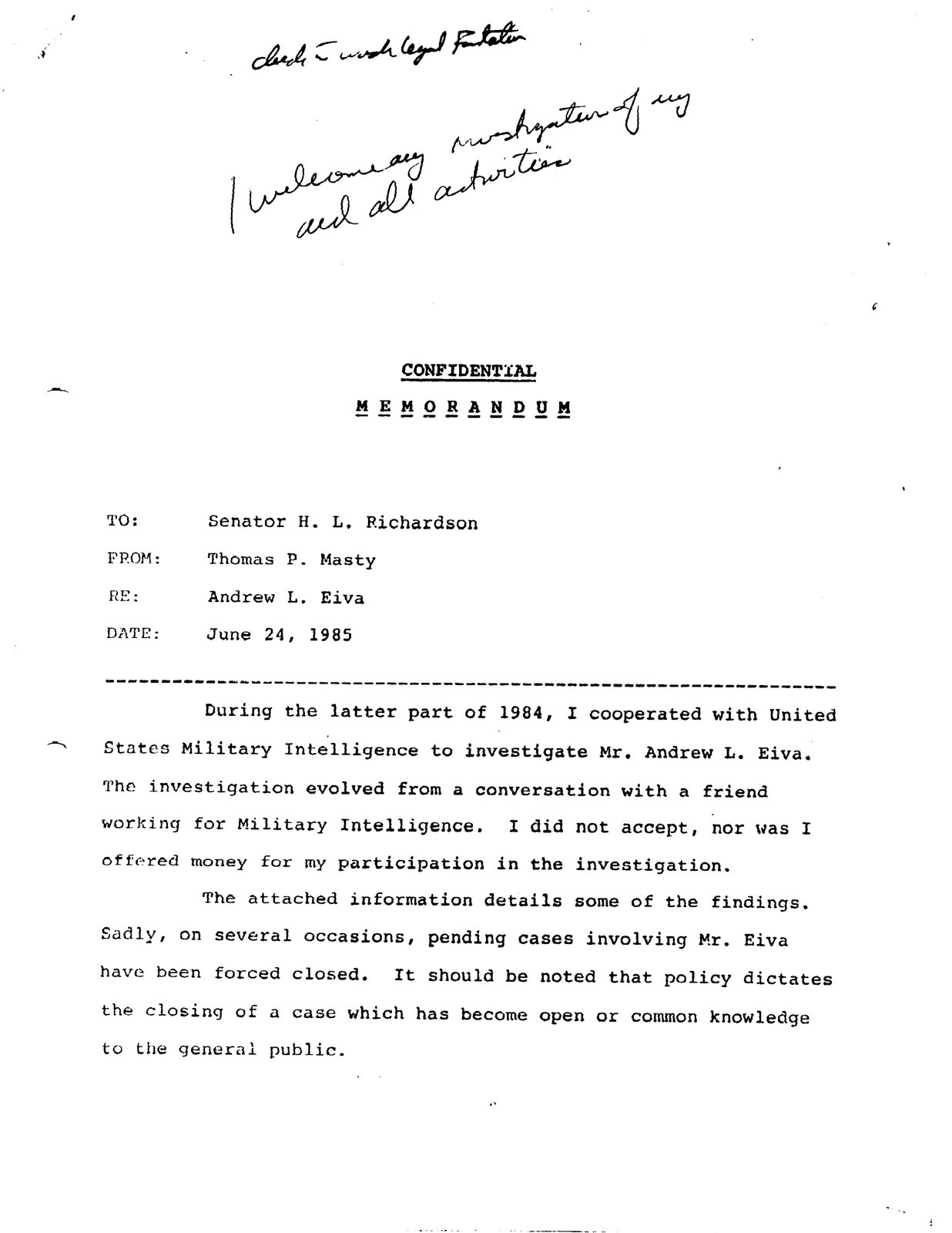
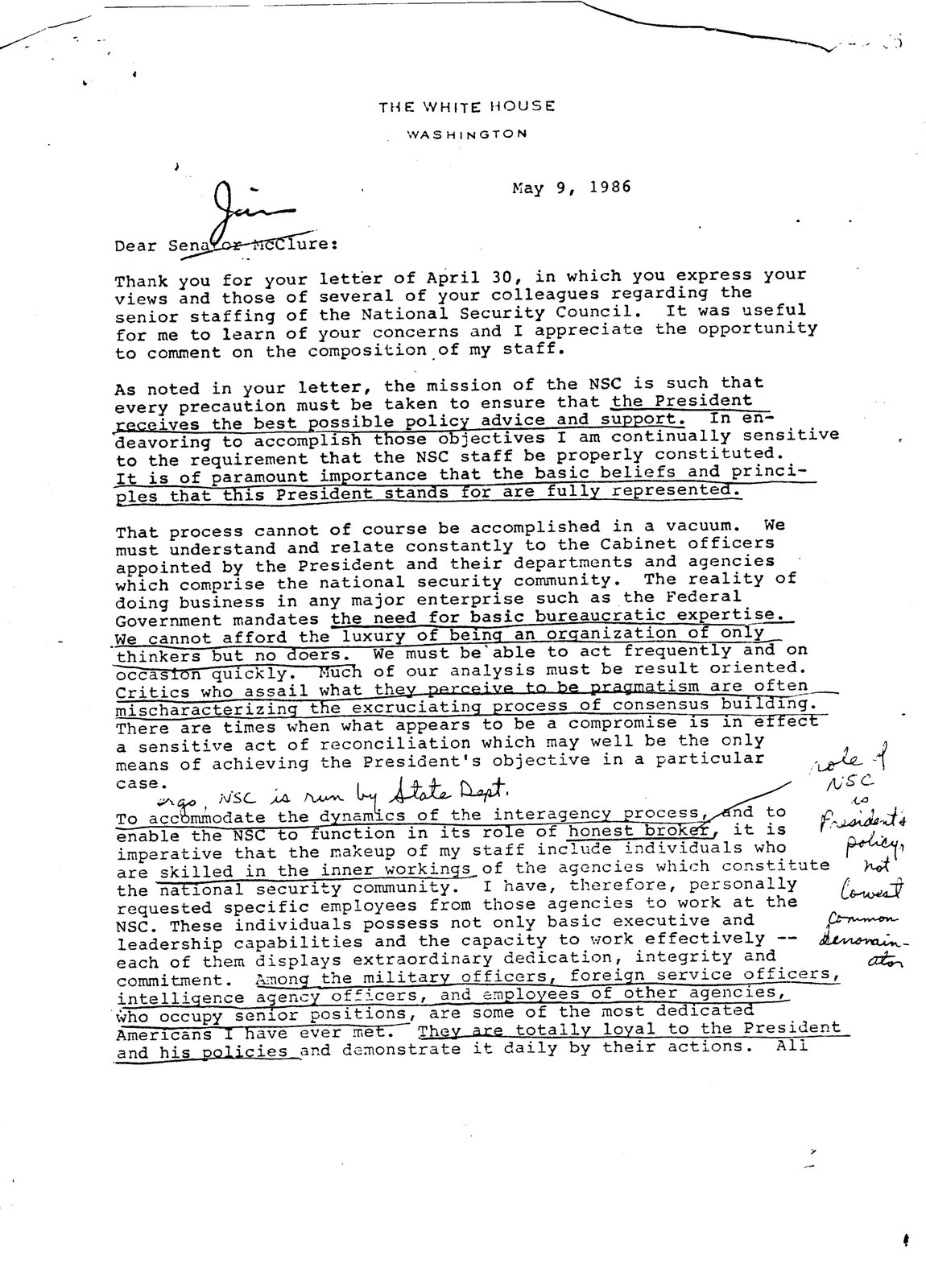
The first lesson in official paper came from the mailroom, where the constituents' letters were answered by a machine that signed the Senator's name. The rest came from reading: a confidential memorandum of June 24, 1985 on Andrew Eiva, which he answered point by point, and Admiral John Poindexter's letter of May 9, 1986 to Senator James McClure on who was staffing the National Security Council. The underlinings and the notes in the margin were made at the time.
What it cost The rest of high school.
As someone sitting in the mail room, I was able to see all of the notices that came in. Any kind of caucus meetings, any kind of symposia, talks or intelligence committee briefings I was to direct them to the appropriate legislative assistant for whatever issue it may be. I was able to kind of give Ron a heads up about what kind of committee briefing was coming up. Invariably, he would be too busy to attend, I would ask him if I could attend for him and report back on what was said, and the answer was "Sure, kid. Go ahead." That was where I started attending intelligence committee briefings for senators and their staff.
United States Senate identification card, 99th Congress.With Senator Frank Murkowski, December 12, 1985.Certificate of the Architect of the Capitol: flag flown over the Capitol on February 12, 1986.Senator Murkowski's signature, as produced by the office autopen, 1985.Memorandum on Andrew Eiva, June 24, 1985, marked Confidential.John Poindexter to Senator James McClure, May 9, 1986, page 1.
1986
The Afghan campaign
The one time a channel was forced open: a public campaign moved the CIA where quiet persuasion had not, and the CIA now says so itself.
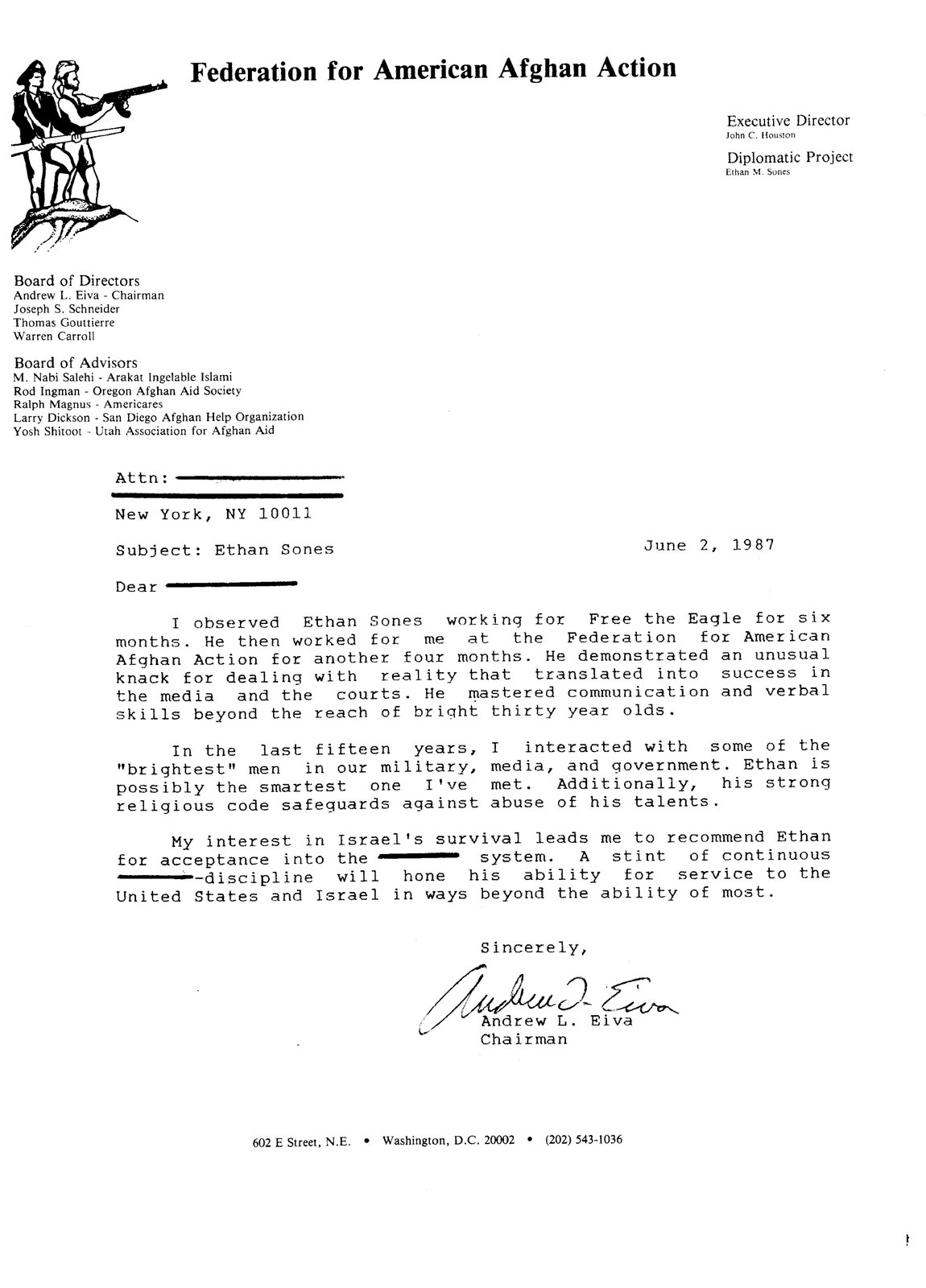
In 1986 I worked at Free the Eagle, and then as deputy director of operations of the Federation for American Afghan Action, Andrew Eiva's organization, in the campaign for effective aid to the Afghan resistance. On February 24, 1986 the Deputy Director of Central Intelligence, John McMahon, resigned; the decision to supply the Stinger followed the next day. The CIA's own museum now describes the Stinger as a game-changer.
Told Congress and the press, over the CIA's objection. What they did The Stinger decision of February 25, 1986; the CIA now calls the missile a game-changer.
What it cost The position at Free the Eagle, resigned on December 2, 1986, and a class action against its officers, brought with Eldridge Cleaver, that I left for Israel before it was decided.
On December 2nd, 1986, the Federation for American Afghan Action protested "CIA meddling in domestic politics" in front of the Heritage Foundation building, that still housed Free the Eagle. The press release we passed out that day decried "the sudden disruptive closure of Federation for American Afghan Action during a critical period for the Afghan covert operation.
"In recent weeks, FAAA demonstrated its ability to pressure the top-secret Afghan covert task force by blocking the Arnold Raphel nomination. FAAA also identified the CIA's effort to maintain the delivery of Stinger and Blowpipe anti-aircraft missiles at a level too low to do the Afghans any good. Evidence indicates CIA pressure on the conservative organization Free the Eagle to evict and close down FAAA."
A policeman present confirmed that the Capitol Hill Police had deployed 75 officers to secure our three-man leafletting demonstration.
Andrew Eiva, executive director, Federation for American Afghan Action, June 2, 1987.
November 12, 1986 and March 31, 1987
Rabbi Kahane
A warning written down at seventeen, dated, on a matter the Iran-Contra hearings later confirmed in part.
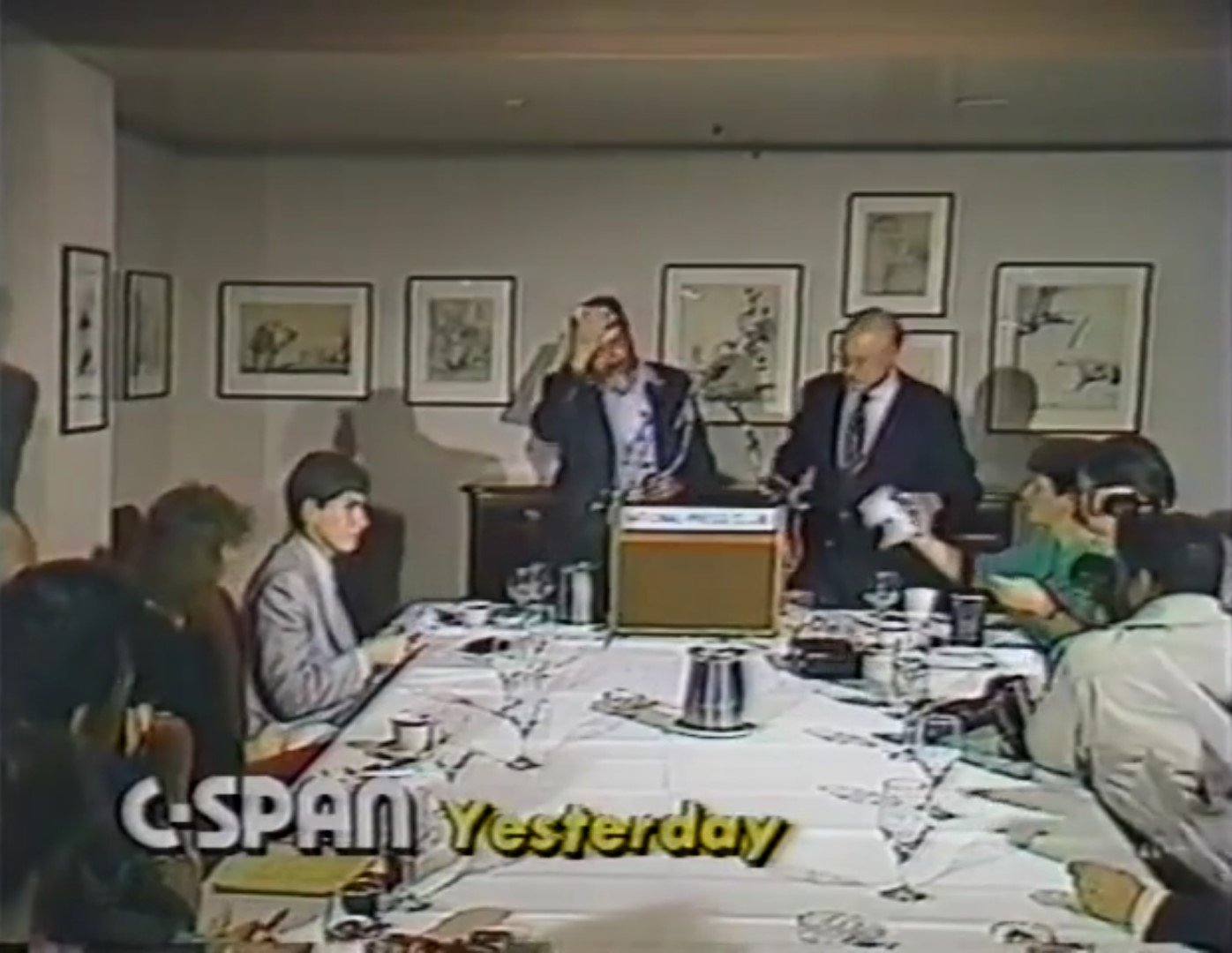
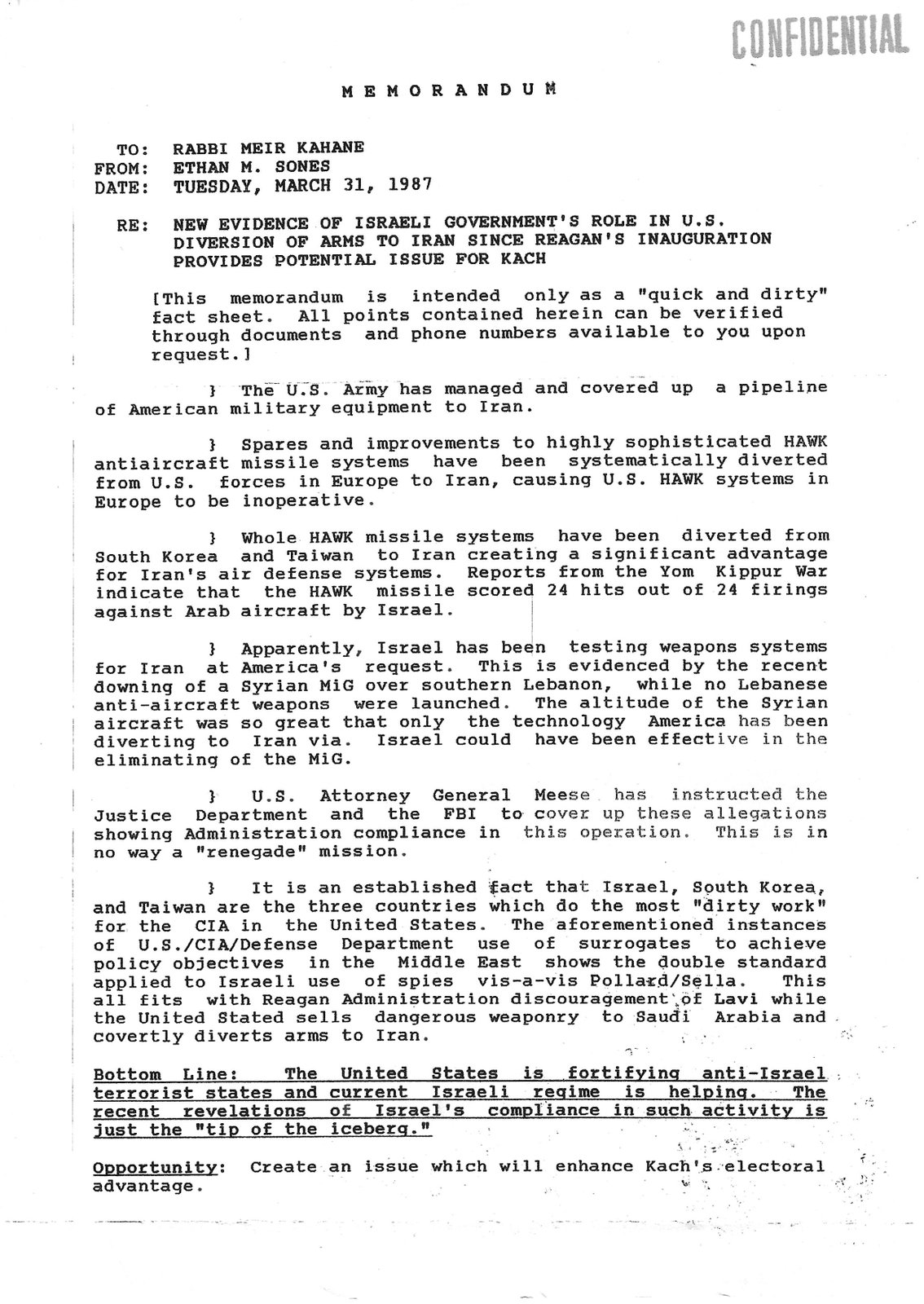
I was at the National Press Club on November 12, 1986 when Rabbi Meir Kahane was doused with red dye in the middle of his speech. On March 31, 1987 I handed him a memorandum headed "New evidence of Israeli government's role in U.S. diversion of arms to Iran." The memorandum is below, as written.
Told Rabbi Kahane, March 31, 1987; and the U.S. Army, asked on April 22 for the records of the HAWK sales to Taiwan, Israel and Korea. What they did The Army quoted me $1,000 and four months.
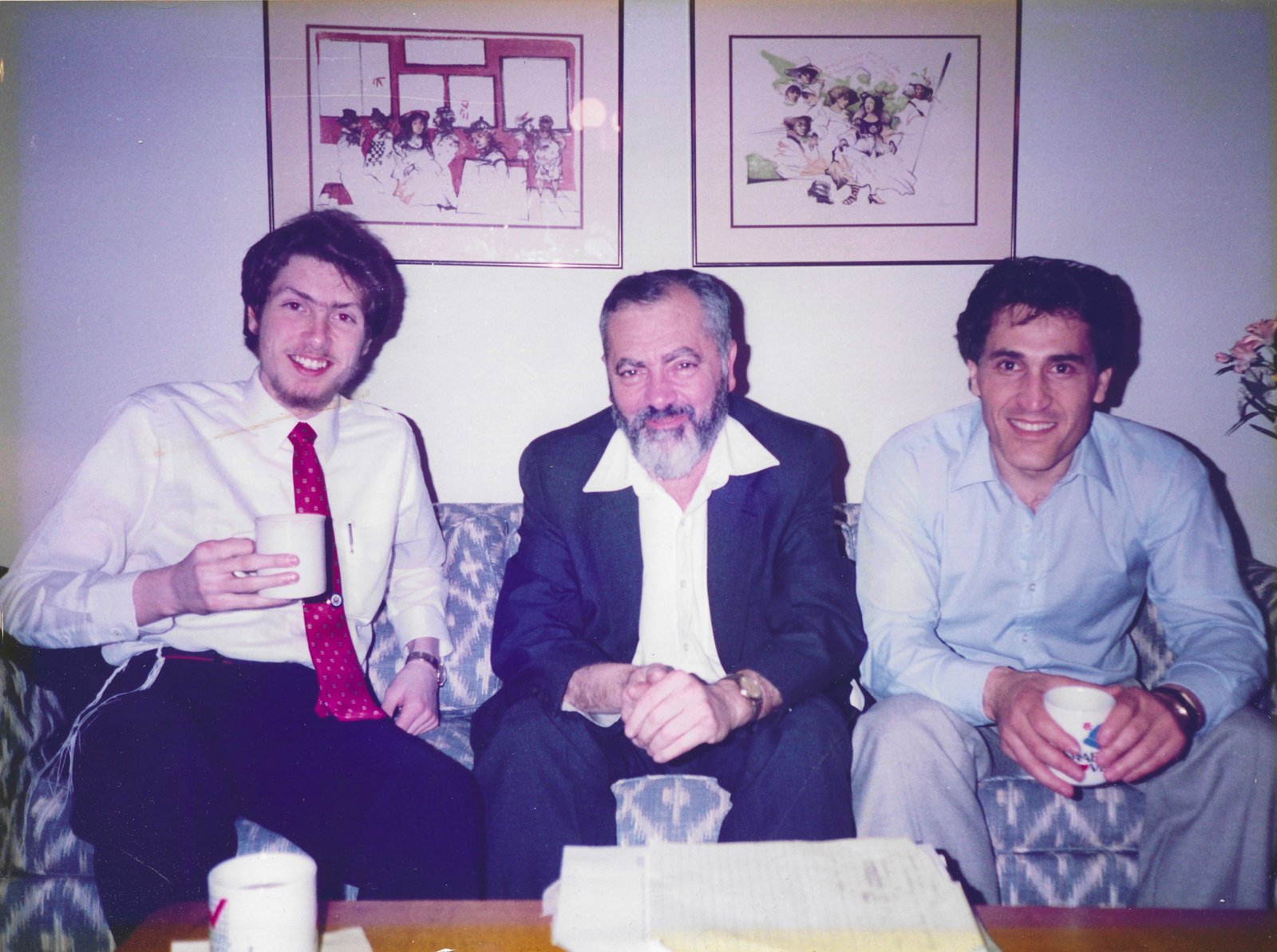
On the evening of Tuesday, March 31st, 1987 in Aspen Hill, Maryland, I handed then-Knesset Member Rabbi Meir Kahane evidence of the Israel government's role in United States diversion of sophisticated weaponry to the Islamic Republic of Iran.
My memorandum to the Rabbi said that the U.S. Army had managed and concealed a pipeline of American military equipment to Iran.
I stated that spare parts and improvements to HAWK antiaircraft missile systems had been systematically diverted from U.S. forces in Europe to Iran, rendering U.S. HAWK systems in Europe inoperative. Furthermore, entire HAWK missile systems had been diverted from South Korea and Taiwan to Iran, giving Iran's air defense systems a significant advantage.
The C-SPAN recording of the event, November 12, 1986.
C-SPAN, the National Press Club, November 12, 1986.Memorandum to Rabbi Meir Kahane, March 31, 1987.With Rabbi Meir Kahane and David Abraham, 1987.
July 1, 1987 – 1996
Aliyah
From reading about the country to living in it and serving in it.
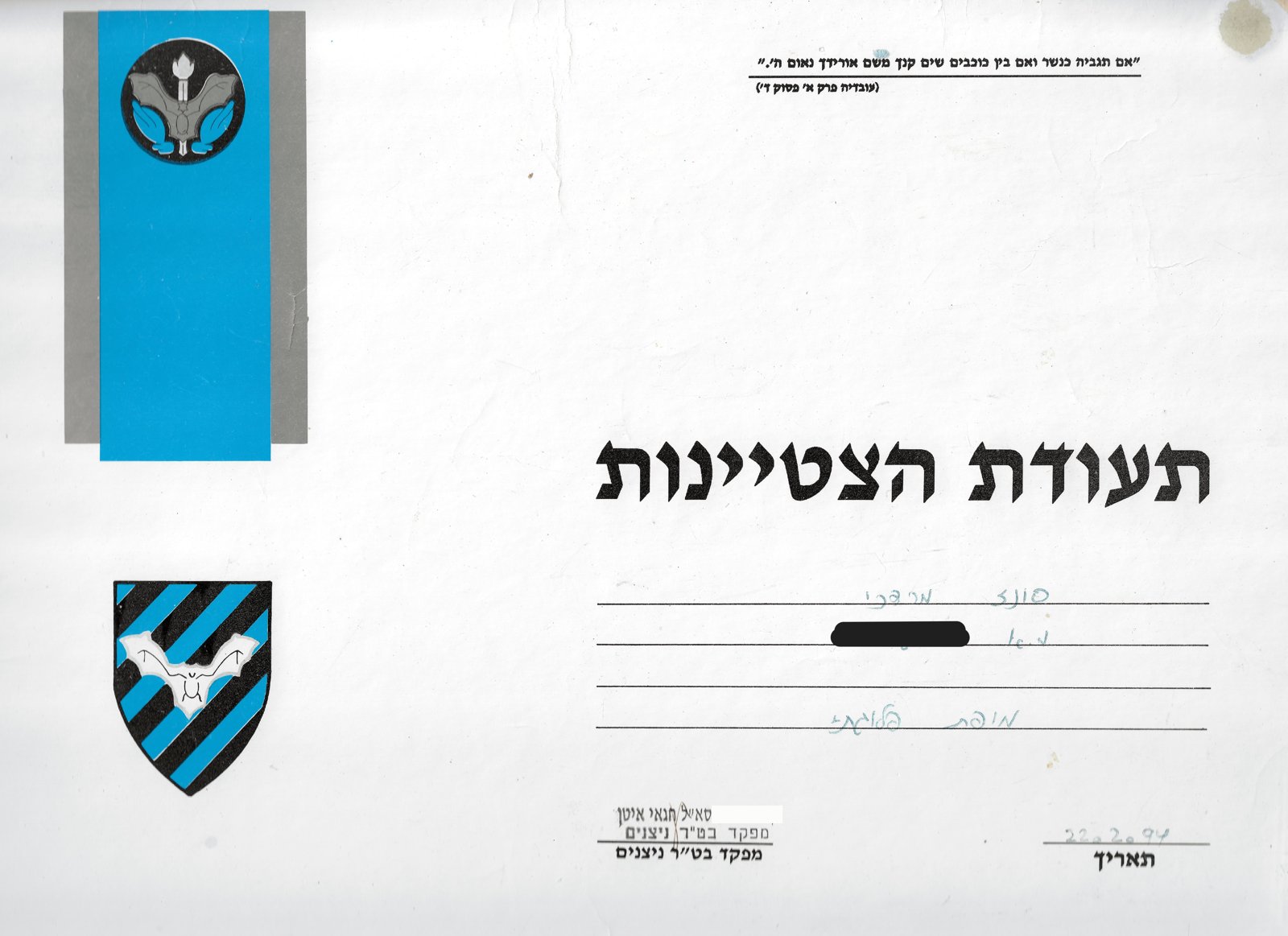
On July 1, 1987 I made aliyah. Kibbutz, then yeshiva, then the IDF. The certificate naming me the company's exemplary soldier (mofet plugati), signed by the commander of the Nitzanim training base, is dated February 22, 1994. After the Rabin assassination I reported for Beis Moshiach; the dispatches of 1995 are collected in Up From Zionism!. For a period afterward I worked as a research assistant to the attorney for Yigal Amir.
Certificate of excellence, Nitzanim training base, February 22, 1994. The identity number is masked.
1998–2000
The Nachaliel Office for Yesha
A warning about Palestinian Authority war preparations, taken to every office that existed to hear it. The daytime fire stopped for one season.
In 1998 I founded the Nachaliel Office for Yesha, in the yishuv where we heard the training fire at night. Letters to the rabbis went out on July 30 and September 9, 1998. The army's answer, as I wrote to the rabbis on July 30, 1998, was that the shooting was Arab wedding celebrations. On August 24, 1998, with the yishuv's secretary, I met MK Uzi Landau, chairman of the Knesset Foreign Affairs and Defense Committee. The daytime fire stopped in the weeks that followed and stayed stopped until the spring. The Prime Minister's Office replied on October 28, 1998 that what we were hearing was "weddings." Ma'ariv reported on December 18, 1998.
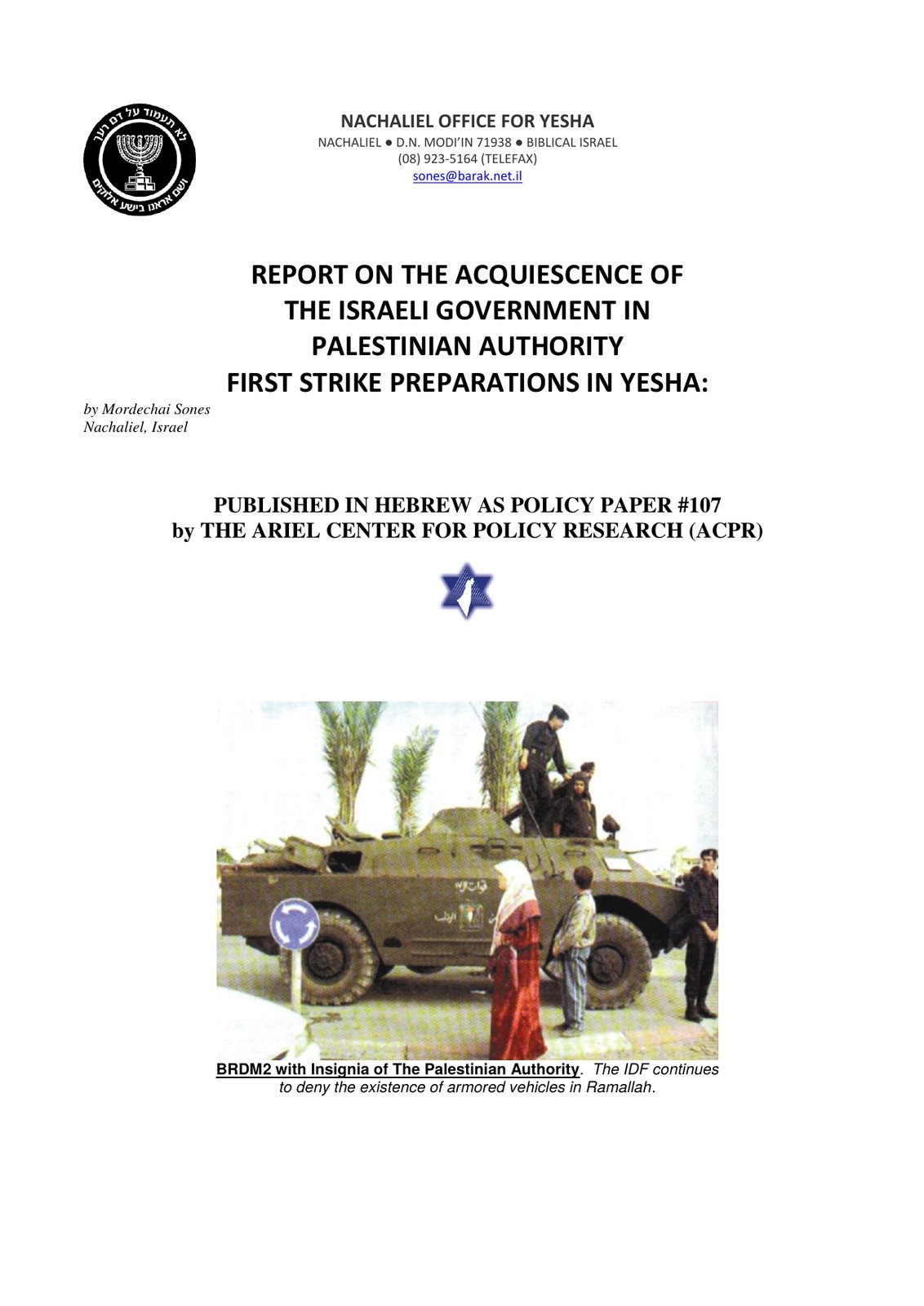
The Report on the Acquiescence of the Israeli Government in Palestinian Authority First Strike Preparations in Yesha was released on March 22, 1999 and updated on May 17, 1999. The Ariel Center for Policy Research put it to four state bodies and then published it as Policy Paper No. 107 in August 2000; Nativ printed it in September 2000.
Said at the time
"The creation of the 'feeling of security' has replaced authentic security."
The Report, 1999.
Said at the time
"Who are you going to believe, the IDF or your own eyes and ears?"
As recorded by Andrew Eiva.
Told The rabbis; the Knesset's Land of Israel Front, with the Yesha Council's chairman in the room; MK Uzi Landau; the Prime Minister's Office; and, before the Report was printed, the army, the Defense Ministry, the Prime Minister's Office and the Yesha Council. What they did The Council's men said it was the army's job; Landau said the Shabak reported no gunfire; the Prime Minister's Office answered "weddings"; three of the four did not answer the Ariel Center at all, and the Council's security chief, 86 days after the Report, called it hysteria.
What it cost As I wrote in 1998 of Rabbi Michoel Ber Weissmandl: "I feel as he did, that my letters fall on sealed ears."
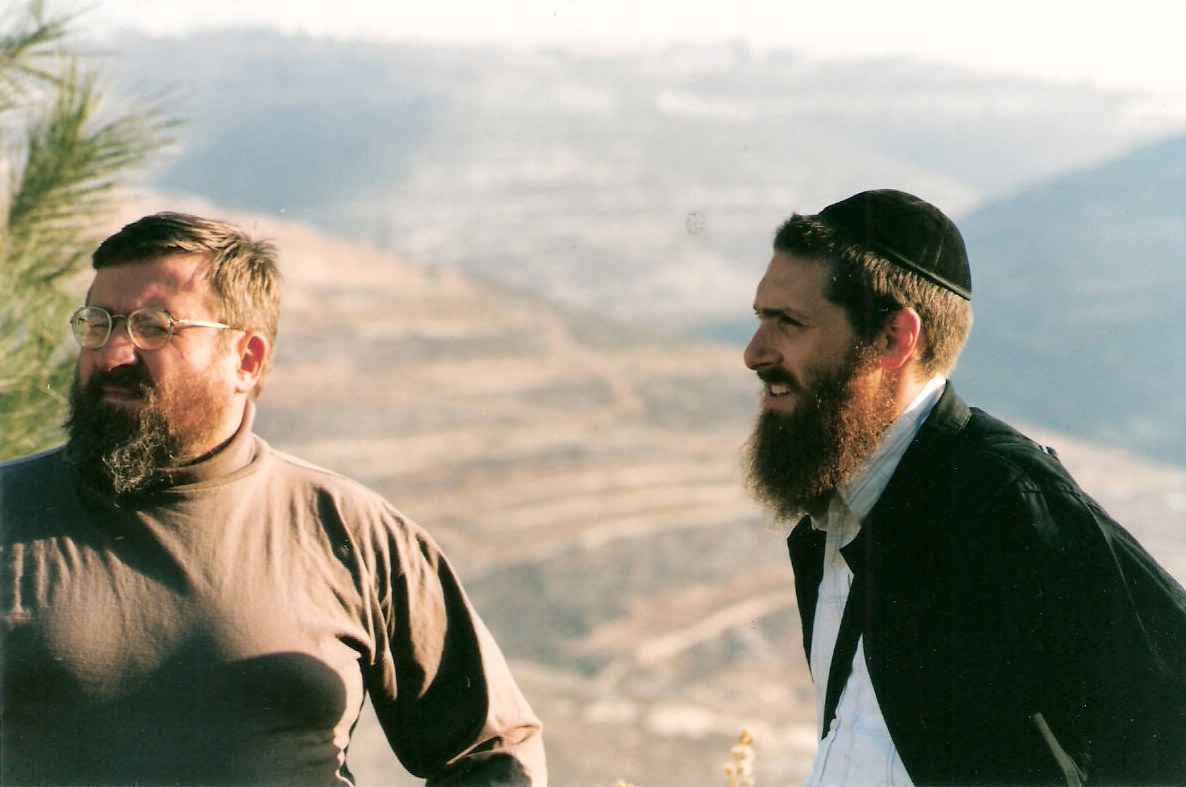
With Andrew Eiva at Elon Moreh, 1998.The Report, as published by the Ariel Center for Policy Research, Policy Paper No. 107.The seal of the Nachaliel Office for Yesha.
2000–2001
The canvass
What the communities had asked for and what they had received, counted one by one.
In 2000 and 2001 the office canvassed 142 Jewish communities in Judea, Samaria and Gaza on the security aid they had asked for and what they had received, and published the result as the Yesha Council Report Card. In July 2001 it ran an equipment program for the communities of the Talmon bloc: a radio net, vests, optics and medical stores.
Said at the time
The eviction plans "depend on secrecy to succeed... If it can be exposed in time, it can be broken."
2001, and again in 2019.
Said at the time
"Everywhere 'process' is used, replace with choice, accountability, responsibility."
From the office files.
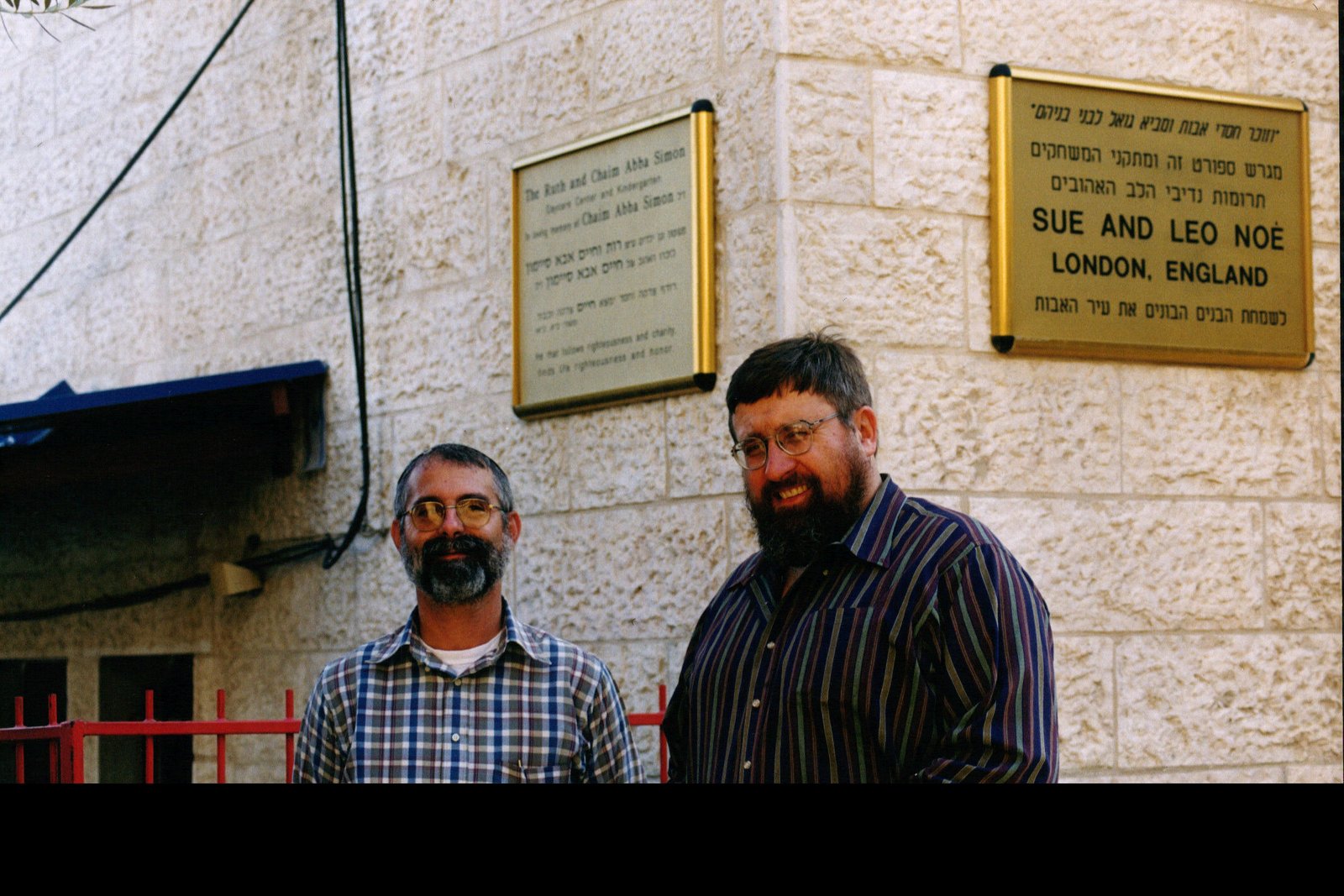
David Wilder, spokesman of the Hevron Jewish community, with Andrew Eiva, Hevron, August 2001.
2004–2010
The expulsion plan
A plan published a year before it was carried out, and what that did and did not change.
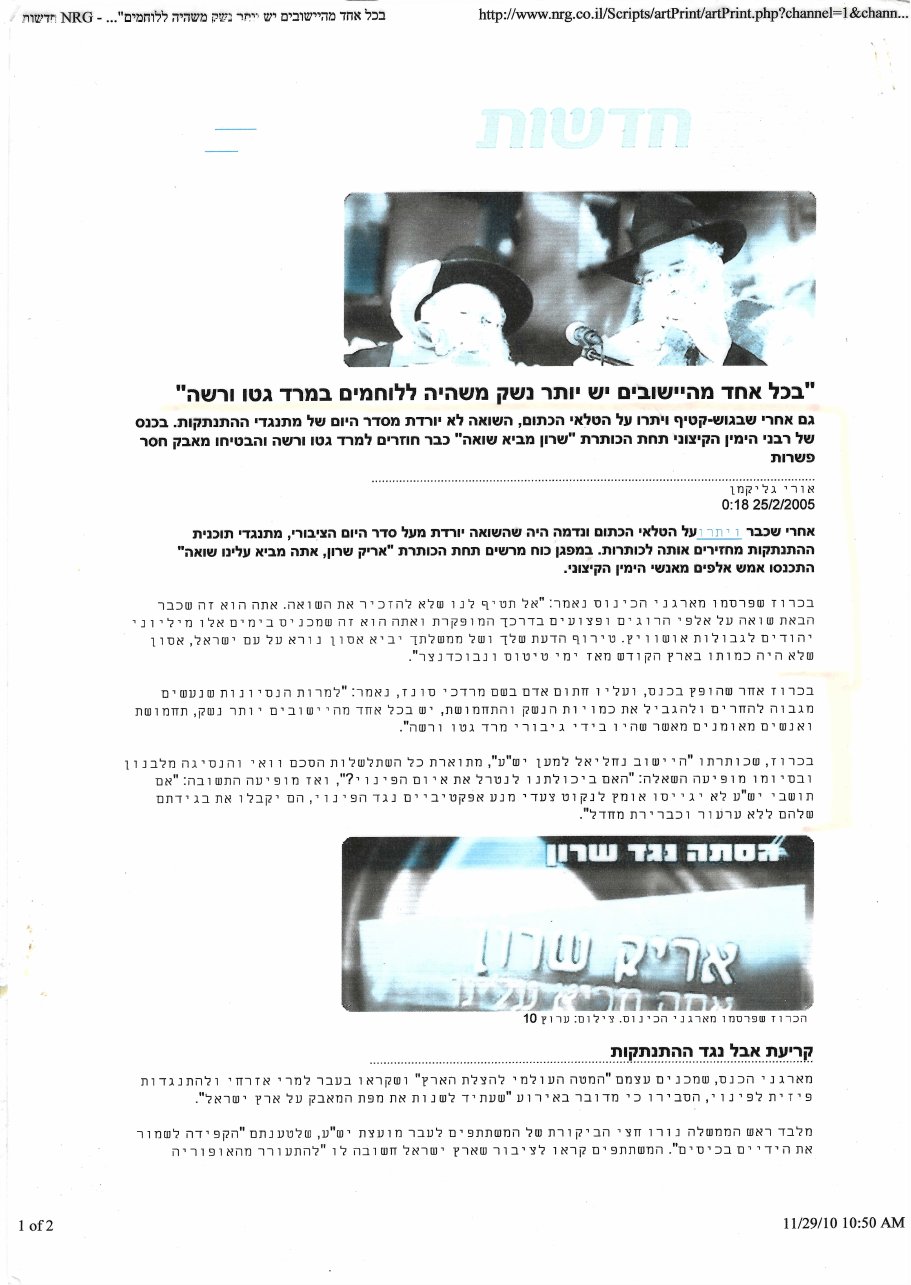
In 2004 I translated the IDF's operational plan of March 2004 for the expulsion from Gaza; Israel National News published the translation in full on July 30, 2020. On February 24, 2005, at Binyanei HaUma in Jerusalem, I distributed a flyer. It was on the front pages the next morning, and the Justice Ministry announced that the gloves were off against incitement. Amona followed on February 1, 2006. In 2010 the office closed.
Said at the time
The question is not which is more important, the Land or life. The question is whether the surrender of territory contains an inherent danger to life.
From the office files, c. 2003.
Said at the time
"It would be preferable not to begin at all than to peter out in the middle."
2006.
What it cost The Justice Ministry's announcement, the morning after the flyer; and, five years later, the office.
When the existing channels would not carry the story, building one.
Five years at Arutz Sheva; news anchor at Israel Newstalk Radio; news director and editor-in-chief of Frontline News. On March 1, 2023 I gave the talk on the five types of power that is set out on the thinking page. Jewish Home News began publishing in February 2024. Up From Zionism!, the collected articles, reports and letters of 1995–2026, is due in November 2026. The conditional vote is the work of this year.
The point is not what one person did. It is what one person could do with a fax machine, and therefore how much more many people could do, if they used the power they already have.
 Mordechai Sones